 Tips
Tips
How to keep customers coming back to your shop or cafe
Practical, low-effort strategies to build genuine customer loyalty — without a big marketing budget or complicated software.
Lost, left at home, falling apart — the paper card frustrates your customers and keeps you from knowing anything about them.
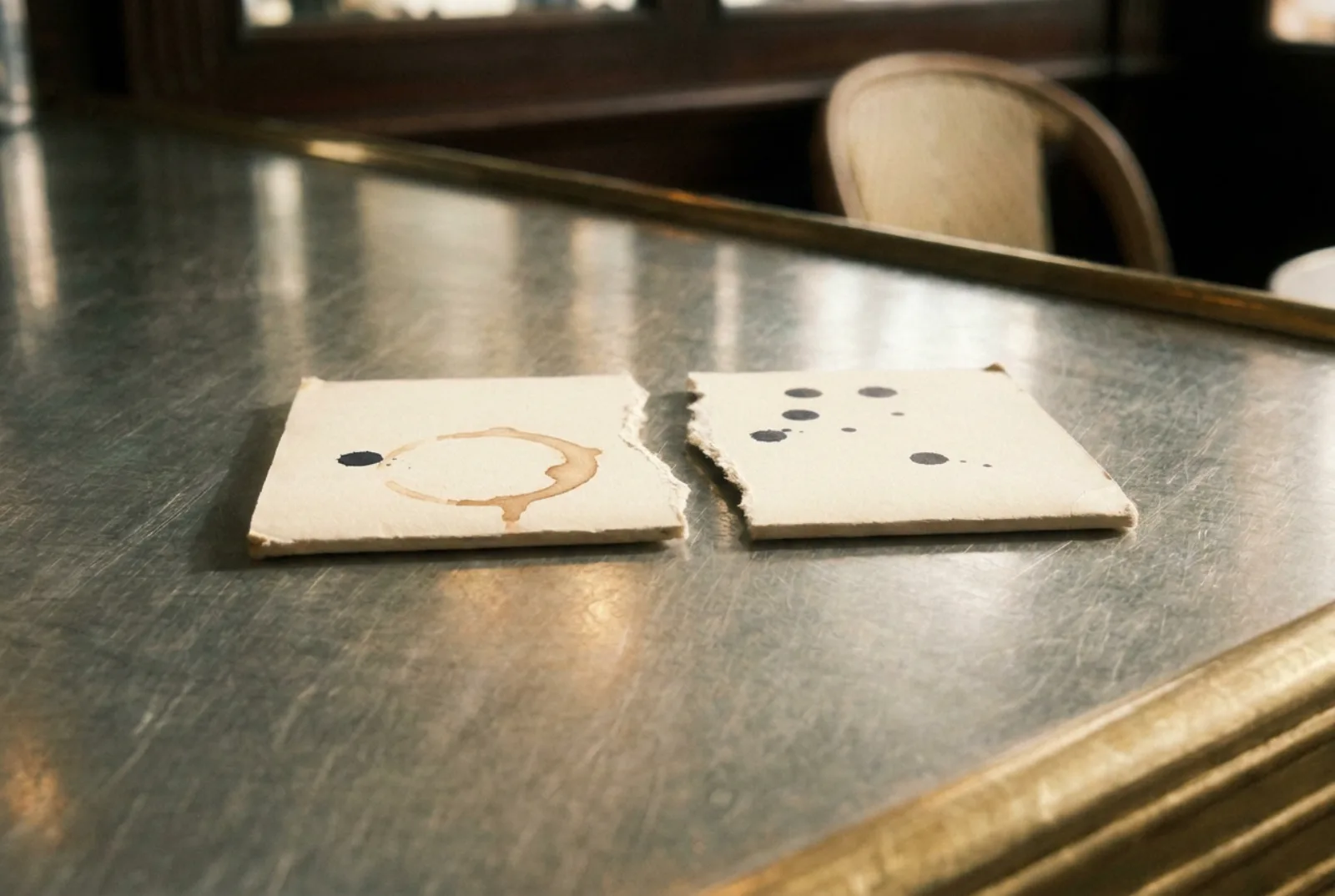
The paper loyalty card has one merit: it costs almost nothing to print. That’s about the only one, and it hides a bill far heavier than the hundred euros you pay the printer.
One customer in two loses their card before filling it. They don’t tell you: they leave with a fresh card, start again from zero, and lose interest. You never see that giving-up, because a piece of card reports nothing.
When a customer stops coming, a paper card can do nothing about it. It’s in a drawer at their place, and you have no way to remind them they were two stamps short.
We’d had a thousand cards printed. We had no idea whether it was working. All we knew was that we were ordering more.
It isn’t a question of being modern, it’s a question of information. A digital loyalty card tells you who comes back, how often, and who has disappeared. From there you can decide — and a decision based on something beats a hunch.
The rest follows: the card no longer gets lost, the customer no longer starts from zero, and you finally know what your loyalty programme costs you and what it brings in.
Tips
Practical, low-effort strategies to build genuine customer loyalty — without a big marketing budget or complicated software.
 Beauty
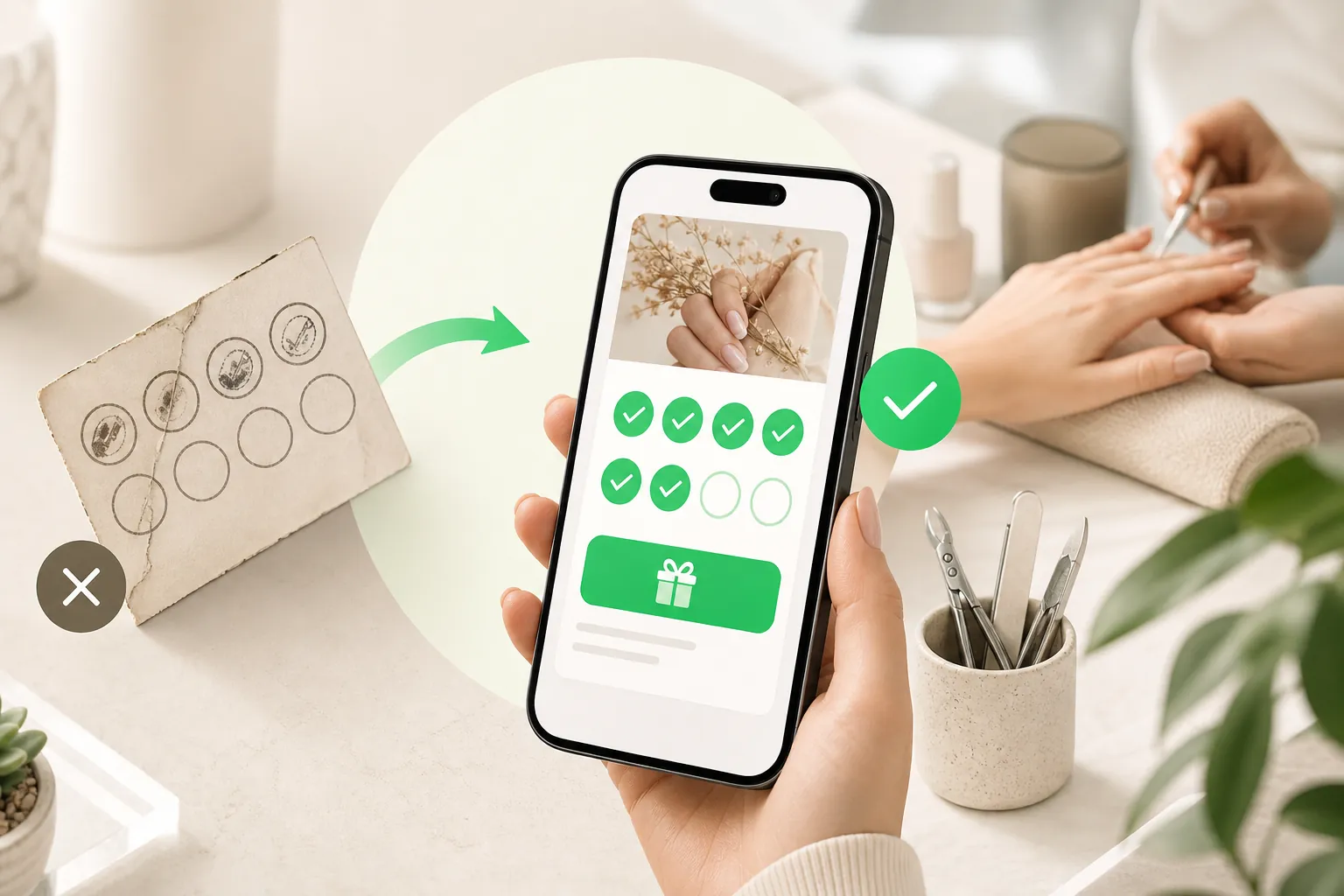
Your clients already come back every two or three weeks. A digital loyalty card turns that habit into something you can see and act on — no forgotten card, no hardware, no extra work at the desk.
 Guide
Guide
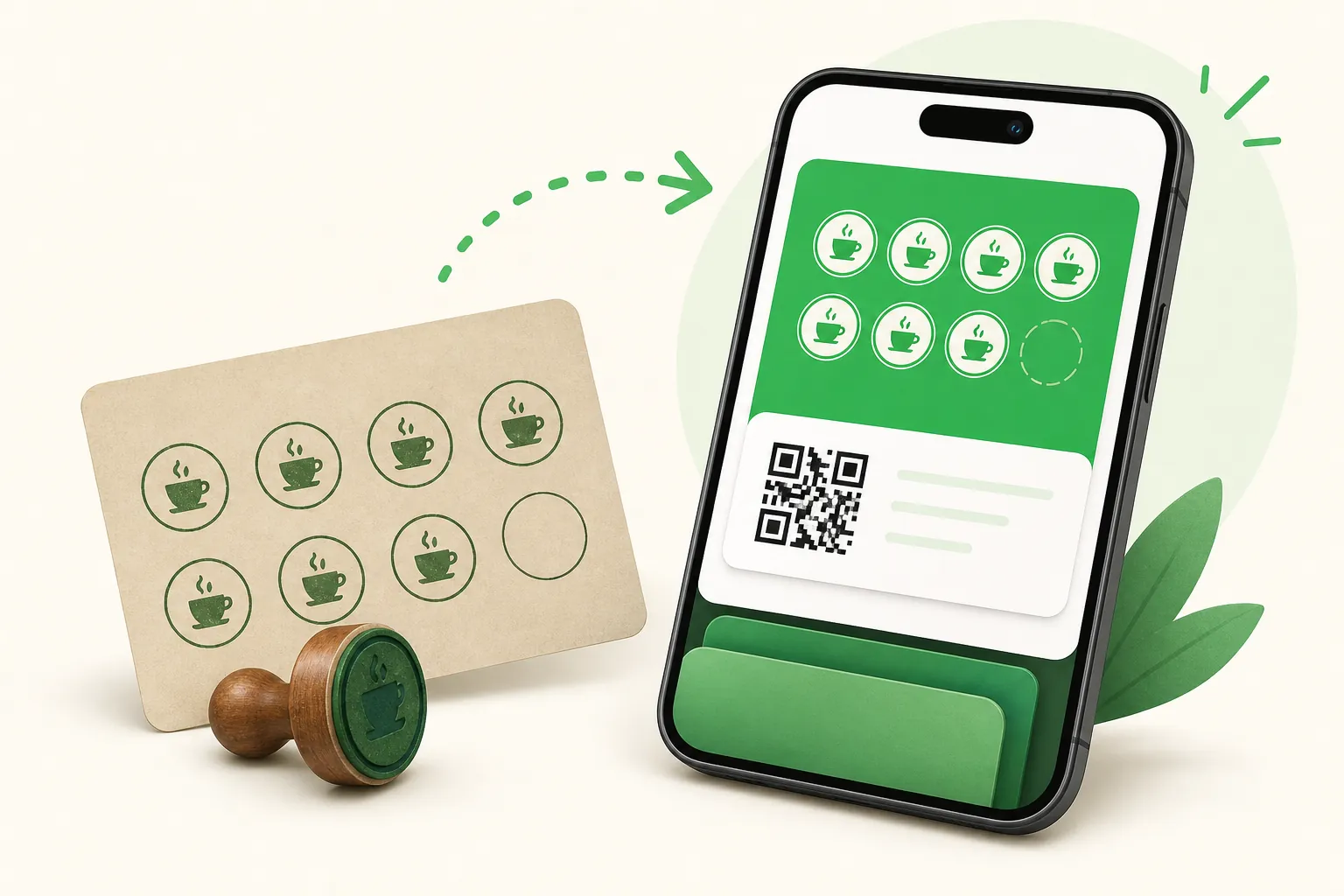
The mechanic hasn't aged: nine coffees, the tenth free. The cardstock has. The same counter, living in the phone, keeps what works and removes what gets in the way.