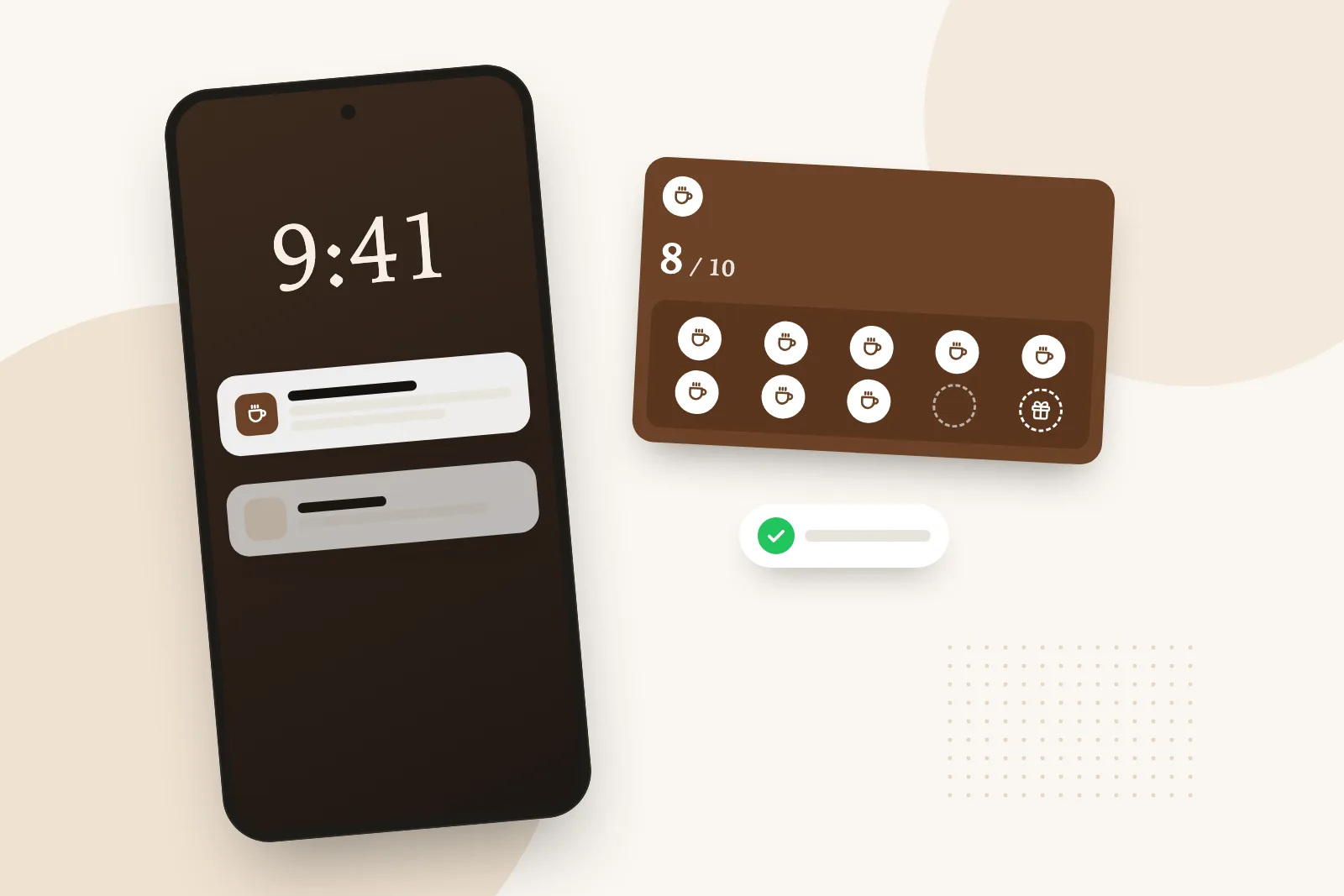
 Coffee shops
Coffee shop loyalty program: 10 ideas that work, with the math
How many stamps, which reward, and what a free coffee really costs you. A practical guide for independent coffee shops, with worked numbers and real research.
Which reward to give, how many stamps to ask for and what it really costs: a bakery loyalty card that survives the morning rush, on paper or in the phone.
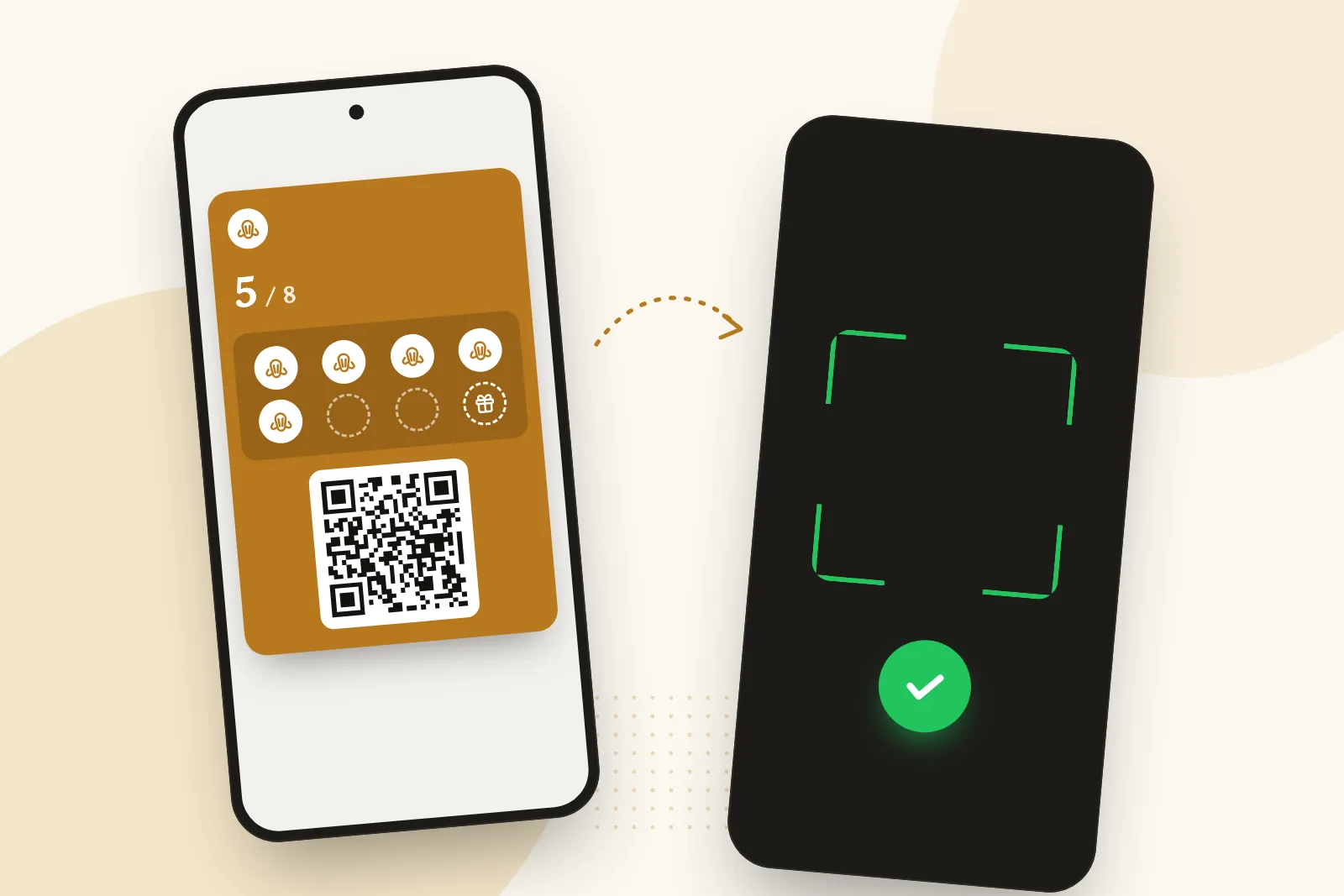
The loyalty program that works best for an independent bakery is a simple punch card: "every 10th visit, a pastry on us." It rewards how often people come rather than how much they spend, it takes two seconds to stamp during the morning rush, and it costs far less than it looks, because you give away the cost of a pastry, not its price. The only real decision left is the card itself: cardstock that gets lost, or a card that lives in your customers' phone.
A bakery is a habit business with a small ticket. The customer who stops in every morning for a loaf and a coffee is worth more over a year than the one who orders a big cake once. When that habit breaks (a new commute, a chain opening near the station, construction outside your door), you rarely find out, and you can’t call them back.
A punch card gives people one more reason to choose your door. The digital version adds what paper never had: a way to reach the regulars who drifted away.
Owners tend to price loyalty in menu prices. Price it in costs instead. Here’s an example with numbers you should replace with your own: a regular who spends $7 per visit, and a pastry that sells for $4 and costs you $1 to make.
| Card | Customer spends | Reward costs you | Cost as % of revenue earned |
|---|---|---|---|
| 10 visits, 1 pastry | 10 x $7 = $70 | $1.00 | 1.4% |
| 8 visits, 1 pastry | 8 x $7 = $56 | $1.00 | 1.8% |
| 10 visits, 1 small tart (cost $2.20) | $70 | $2.20 | 3.1% |
| 10 visits, "10% off" a $7 order | $70 | $0.70 in lost revenue | 1%, but nobody notices it |
The last row costs about the same as the pastry and pleases nobody. Seventy cents off is invisible; a free croissant gets eaten, photographed and talked about. That’s the difference between a discount and a reward that brings people back.
Divide the monthly cost of your loyalty tool by your margin on one visit. With a $4.50 margin on a $7 visit (again, an example), a tool costing $29 a month is covered by seven extra visits a month across all your customers. In a well-known study of a real café's "buy ten coffees, get one free" card, members bought about two more coffees a month than they would have without the program (Kivetz, Urminsky and Zheng, Journal of Marketing Research, 2006). Different counter, same daily habit.
| Your crowd | How often they come | Stamps | Card done in |
|---|---|---|---|
| Neighborhood regulars, daily bread | 5 to 6 times a week | 10 | About 2 weeks |
| Downtown, mixed | 2 to 3 times a week | 8 | 3 to 4 weeks |
| Weekend pastries and cakes | Once a week | 6 | About 6 weeks |
Aim for a card a typical regular finishes in two to six weeks. Longer than that and the reward feels out of reach.
Then add a head start. In the same café study, customers given a 12-stamp card with 2 stamps already filled finished the ten required purchases about 20% faster than customers with a blank 10-stamp card, for exactly the same effort. Someone who walks out with 2 of 10 has already started. StampyWallet lets you give up to five stamps at sign-up.
The morning loaf and the afternoon cookie are two visits, two stamps. Three loaves in one visit is one stamp. You reward the habit, and it stays simple at the counter. If you want a minimum purchase, print it on the card and stick to it.
A cookie or a croissant at 5, a specialty loaf or a small tart at 10. The first reward lands quickly and hooks newcomers; the second keeps regulars going.
If your weekend revenue comes from whole cakes and pies, a $3 visit and a $40 cake shouldn’t count the same. Points mode lets you choose the value when you scan, with preset shortcuts.
A pastry, a specialty loaf, a cookie from the case. Skip the free sandwich loaf: it feels like a staple, not a treat.
"Your pastry is waiting" on the lock screen is a reason to stop by today. With a digital card, that message goes out by itself when they’re one stamp away and when the reward unlocks.
Pumpkin bread in October, holiday pre-orders in December, the new sourdough on Saturday: one message to the people who carry your card, sent on a slow day. One useful message beats four. Our guide to quiet periods has more ideas.
The customer who came every day and hasn’t been in for a month deserves a word. A digital card can send one nudge automatically after 30 days without a visit, counted in opening days so your vacation week doesn’t flag everyone as lost.
The one day it feels natural to reach out, as long as there’s something behind it. StampyWallet only sends the birthday message if you’ve written a gift, and asks for the day and month only, never the year.
Paper costs almost nothing and everybody gets it. It also gets left at home, lost in a coat pocket, stamped by anyone with a stamp, and says nothing between visits. You never learn who your regulars are.
A digital punch card keeps the habit and drops the problems:
Customers without a smartphone? Keep paper cards for them. Both can run side by side.
StampyWallet’s Essential plan is $29 a month before tax (£19 in the UK, €20 in Europe): unlimited customers, Apple Wallet and Google Wallet, scanning and messages to all your customers. Growth, at $49 (£35, €40), adds automatic reminders, birthdays and Google review requests. There’s a 30-day free trial, no setup fee and no hardware. See pricing. If you ever stop, your customers' cards keep working and you can keep stamping.
A product rather than a discount: a pastry, a cookie, a specialty loaf or a small tart. It’s cheap to make, visible, and brings the customer back in to collect it.
Between 6 and 10, depending on how often your customers come: 10 for daily regulars, 8 for two or three visits a week, 6 for a weekend crowd. A regular should finish a card in two to six weeks.
Per visit, usually. It rewards the habit and keeps the counter fast. If your orders vary a lot, such as whole cakes on weekends, points mode lets you give more for a big order.
No. The customer shows the card on their phone and you scan it with yours in about two seconds. A safeguard stops a card from being stamped twice by mistake.
With StampyWallet, from $29 a month before tax (£19 in the UK, €20 in Europe), with unlimited customers and both wallets included, after a 30-day free trial. Nothing to buy.
Coffee shops
How many stamps, which reward, and what a free coffee really costs you. A practical guide for independent coffee shops, with worked numbers and real research.
 Guide
Guide
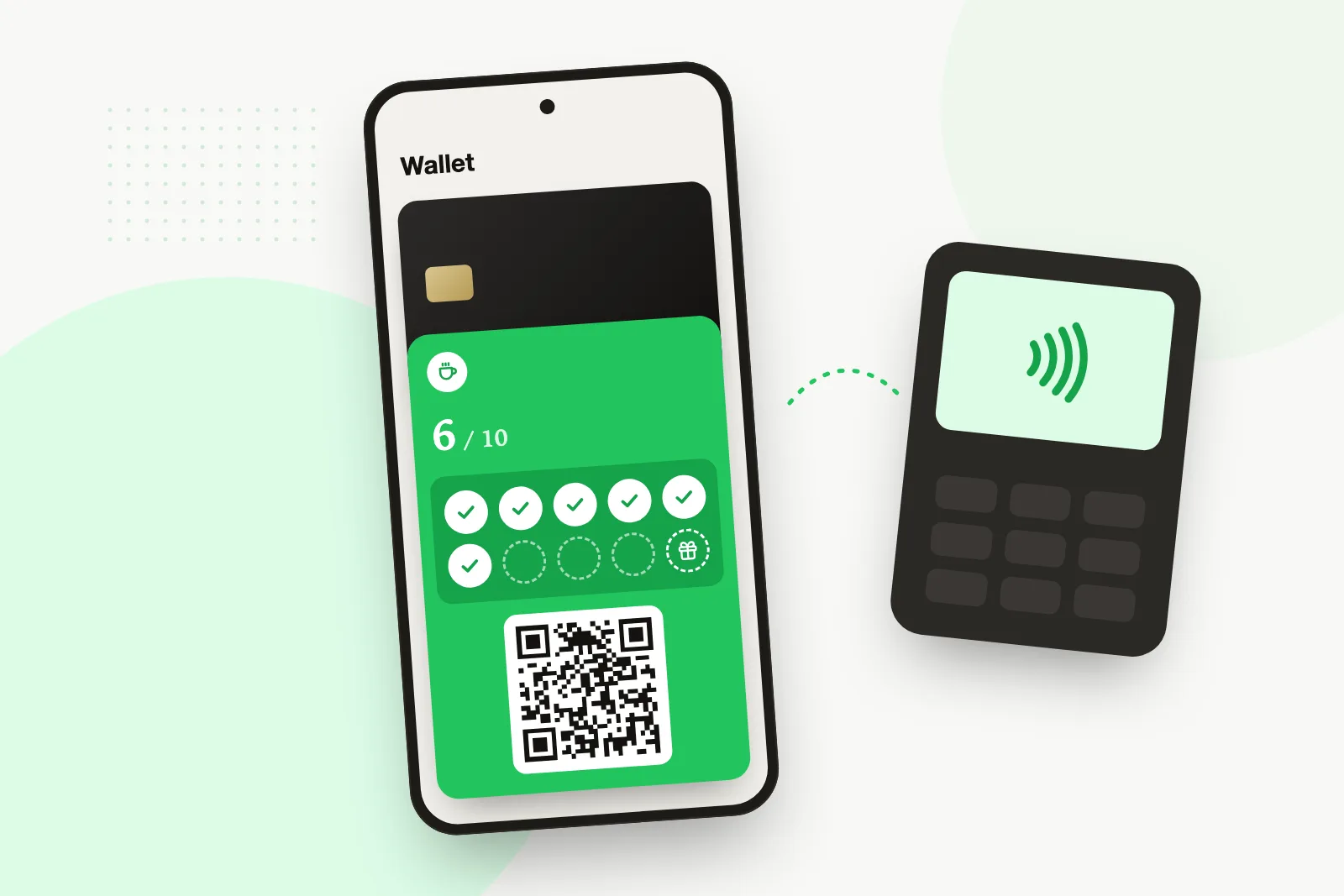
Apple Pay has no loyalty program for your shop, and one-tap loyalty needs certified NFC hardware. What really exists in 2026, and what works at a small counter.
 Beauty
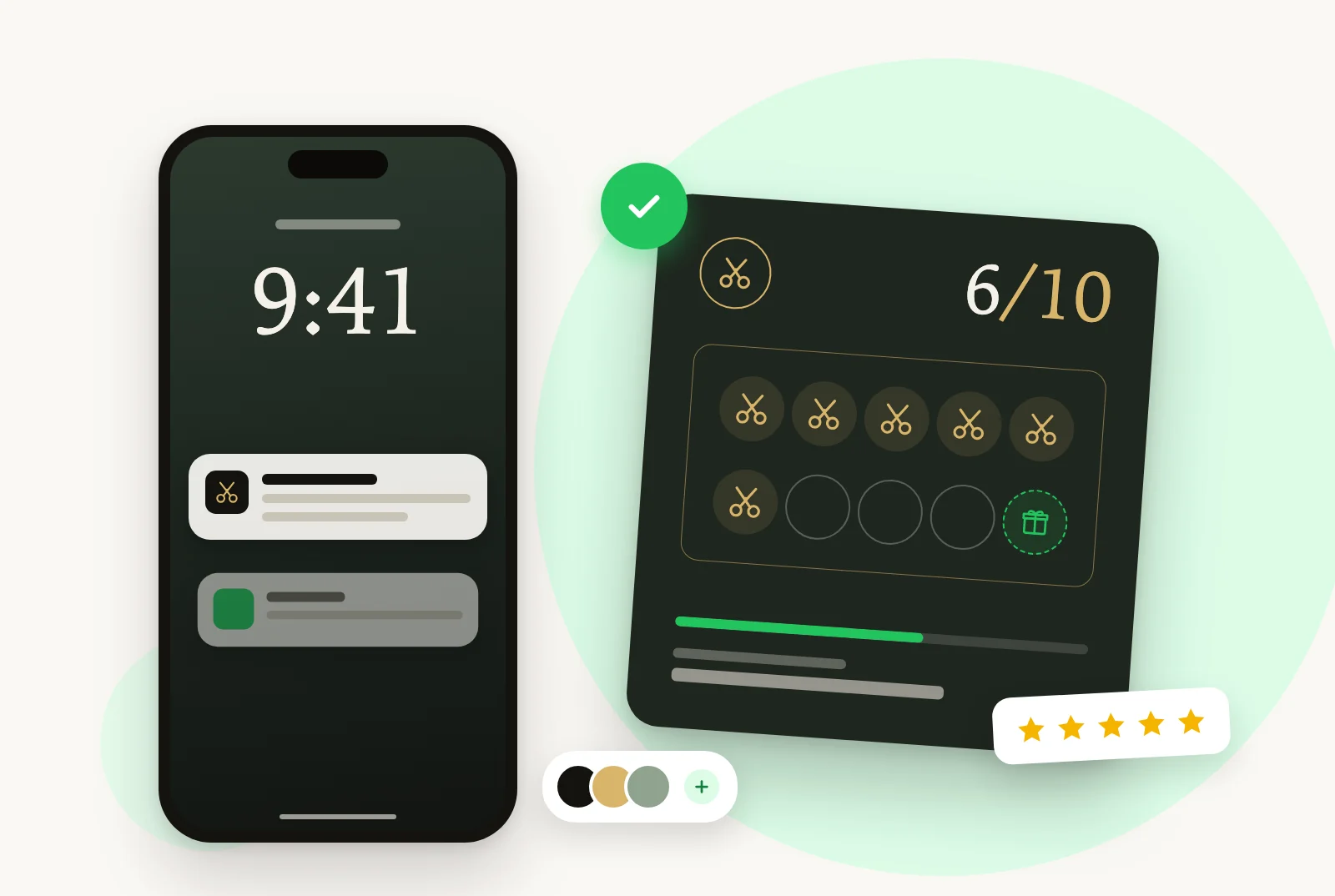
Your clients come back every few weeks, but nothing guarantees they come back to you. A loyalty card on their phone keeps count of their cuts, nudges the ones running late and lets every stylist stamp from their own phone.